Have you ever spent hours planning your Big Island trip—saving maps, bookmarking blogs, comparing places to stay—and still wondered if you’re making the right choices?
You’re not alone.
The Big Island is incredible—but it’s also large, diverse, and surprisingly complex to plan.
One side is sunny and dry, the other lush and rainy.
Distances look short on a map… until you’re actually driving them.
So it’s easy to feel stuck.
Am I staying in the right area?
Am I trying to do too much?
Will this trip feel relaxing—or exhausting?
Here’s the good news: it doesn’t have to feel that way.
By the end of this checklist, you’ll know where to stay, what to prioritize, and how to plan your days—without second-guessing every decision.
Because the goal isn’t just to visit the Big Island.
It’s to experience it in a way that feels easy, memorable, and genuinely enjoyable.
Step 1: Choose the Right Time to Visit (and How Long to Stay)
The Big Island is a year-round destination, but timing and trip length shape everything.
Best times to visit:
- April–June & September–October: fewer crowds, comfortable weather
- December–March: peak whale season along the Kona Coast
- June–August: warmer, great snorkeling, but busier
How long should you stay?
- 5–7 days: Enough to explore both sides without rushing
- 7–10 days: Ideal if you want a slower, more immersive experience
Why this matters: When you give yourself enough time, your trip feels intentional—not rushed. You’re not just checking off attractions—you’re actually enjoying them.
Step 2: Book Flights Early (and Smart)
Your flight choice affects more than just your arrival—it shapes your first impression of the trip.
Most visitors fly into Kona International Airport (KOA).
Smart booking tips:
- Book 2–4 months early for better rates.
- Choose a morning arrival to maximize your first day.
- Opt for direct flights when possible to reduce travel fatigue.
The real benefit: Instead of spending your first day tired and disoriented, you arrive ready to explore—or simply relax and settle in.
Step 3: Choose Your Home Base Carefully (This Changes Everything)
This is where many trips go wrong.
The Big Island is large—and choosing the wrong location can mean spending hours driving instead of enjoying your time.
A well-located stay—especially along the Kona Coast—makes everything easier.
Why it matters:
- Full kitchen for flexible meals
- Private lanai for slow mornings and sunsets
- More space to relax and recharge
What this really means: Instead of constantly moving, you have a place that supports your pace.
Step 4: Rent a Car (Your Freedom Depends on It)
Now that you’ve chosen where to stay, the next step is making sure you can actually explore with ease.
Public transportation is limited, and rideshares aren’t always reliable across the island.
What to know:
- Book your rental car early, especially during peak seasons.
- Choose a comfortable vehicle for longer scenic drives.
- A 4WD can be helpful for certain areas, like Mauna Kea (but isn’t required for most attractions).
The benefit: You’re in control. You can stop when something catches your eye—whether it’s a scenic overlook, a roadside fruit stand, or a quiet stretch of coastline.
Step 5: Build a Realistic Itinerary (Less Is More)
Here’s where many trips go wrong.
The #1 Mistake First-Time Visitors Make
The most common mistake? Trying to see everything.
The Big Island isn’t meant to be rushed. When your schedule is packed, you spend more time driving than enjoying where you are.
A better approach: Plan one main activity per day—and leave room for everything else.
Must-See Highlights
Nature & Adventure:
- Hawaii Volcanoes National Park: Home to Kilauea, one of the world’s most active volcanoes.
- Punaluʻu Black Sand Beach: Known for its dramatic shoreline and sea turtles.
- Akaka Falls State Park: A short walk leads to a stunning 442-foot waterfall.
- Mauna Kea Visitor Center: Incredible stargazing without needing a 4WD.
Kona Side Favorites
- Kealakekua Bay: Crystal-clear waters and top-tier snorkeling.
- Kahaluʻu Beach Park: Perfect for beginners.
- Keauhou Bay: Known for manta ray night snorkels.
Why this works: When you slow down, your trip becomes more than a checklist—it becomes an experience.
Give yourself permission to do less—you’ll actually enjoy more.
Step 6: Pack with Purpose
Once your itinerary starts coming together, packing becomes much easier—and much smarter.
The Big Island has multiple climate zones, so what you bring matters.
Essentials:
- Lightweight clothing for warm coastal areas.
- A light jacket for cooler evenings or higher elevations.
- Comfortable walking shoes.
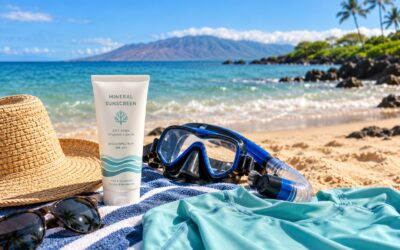
- Reef-safe sunscreen (required in Hawaii).
- Swimsuit and beach gear.
- Reusable water bottle.
Helpful extras:
- Snorkel gear (or rent locally).
- Motion sickness remedies for winding roads.
- Small cooler for day trips.
Why this matters: Being prepared means you stay comfortable whether you’re relaxing at the beach or exploring higher elevations.
Step 7: Book Key Experiences in Advance
The Big Island isn’t just beautiful—it’s meaningful.
Traveling with care deepens your experience.
Keep in mind:
- Stay on marked trails.
- Never touch or disturb wildlife.
- Use reef-safe sunscreen.
- Support local businesses.
- Be respectful at cultural and sacred sites.
Why it matters: When you travel with intention, you connect more deeply—not just with the place, but with the experience itself.
Step 8: Leave Room for the Unexpected
Not everything needs to be planned.
In fact, some of the best moments aren’t.
It might be:
- A roadside fruit stand with the sweetest pineapple you’ve ever tasted.
- A quiet beach you stumble upon by accident.
- A golden sunset stretching across the ocean, where everything goes quiet—and you realize this is exactly why you came.
Those are the moments that stay with you.
A Simple 5-Day Big Island Itinerary for First-Time Visitors
Day 1: Arrive in Kona, settle in, enjoy sunset on the lanai
Day 2: Snorkel at Kahaluʻu, explore Kailua-Kona, optional manta ray snorkel
Day 3: Hawaii Volcanoes National Park adventure
Day 4: Akaka Falls + Hamakua Coast drive
Day 5: Beach day or Kealakekua Bay, relax before departure
Not sure where to stay for this itinerary? Choosing a Kona-based rental makes these days far easier to manage.
Why this works: It balances adventure with downtime—so your trip feels full, not overwhelming.
Ready to Plan Your Big Island Trip Without the Stress?
Planning your first Big Island trip doesn’t have to feel complicated.
With the right approach, it becomes calm, exciting, and genuinely enjoyable.
Imagine waking up to ocean views, exploring at your own pace, and ending each day feeling relaxed—not rushed.
Start with a home base that makes everything easier—like a comfortable oceanfront stay with AAOceanfront.
Because when your stay feels right, everything else falls into place.
And when everything falls into place… that’s when the Big Island becomes unforgettable.