What if you finally land in Hawaii… and realize your itinerary is packed, your hotel is in the wrong location, and the places you were most excited about are hours away?
It happens more often than you think.
The Big Island of Hawaii is stunning—but it’s also massive, incredibly diverse, and very different from what most first-time visitors expect.
Without the right plan, it’s easy to spend more time driving, adjusting, and figuring things out than actually enjoying the experience you came for.
But it doesn’t have to be that way.
With a few smart decisions, your trip can feel smooth, intentional, and deeply rewarding—from the moment you arrive.
This guide will help you avoid the common mistakes, plan with confidence, and experience the Big Island in a way that feels relaxed, meaningful, and truly unforgettable.
Before You Plan Anything… Understand This First
There’s one thing that changes everything about your trip:
The Big Island is huge.
In fact, it’s larger than all the other Hawaiian Islands combined.
That might sound overwhelming—but here’s the upside:
You’re not dealing with crowded, overpacked destinations. You’re stepping into a place with room to breathe.
- Space to explore without pressure.
- Space to slow down instead of rushing.
- Space to actually enjoy each moment instead of checking off boxes.
The shift that makes all the difference: Stop planning a checklist trip… and start planning a flow.
Don’t Try to See Everything (This Is Where Trips Fall Apart)
Most first-time visitors make the same mistake: trying to do too much.
But on an island this big, that leads to long drives, exhaustion, and missed experiences.
Instead, focus on understanding the main regions:
- Kona (West Side): Sunny, convenient, and perfect for first-time visitors who want easy beach access, snorkeling, and dining.
- Kohala Coast: Known for beautiful beaches like Hapuna Beach and a more relaxed, resort-style pace.
- Hilo (East Side): Lush, green, and ideal for waterfalls, rainforests, and slower exploration.
- Volcano Area: Home to Hawaii Volcanoes National Park, where volcanic activity continues to shape the landscape (conditions vary—check official updates before visiting).
Why this matters: Choosing one or two areas as your base means less time driving—and more time actually enjoying where you are.
Why Renting a Car Isn’t Optional—It’s What Makes the Trip Work
You can visit the Big Island without a rental car—but your experience will feel limited.
Public transportation is minimal, and relying on tours or schedules removes flexibility.
With a rental car, everything opens up.
You can:
- Visit hidden beaches on your own time.
- Arrive early and avoid crowds.
- Stay for sunset without watching the clock.
But more importantly:
You gain the kind of freedom that lets your trip unfold naturally—without feeling rushed or restricted.
And that’s when travel starts to feel enjoyable again.
What to Pack (So You Feel Comfortable Everywhere You Go)
Packing only for the beach is one of the most common mistakes.
The Big Island has multiple climates, and being prepared changes your experience completely.
Here’s what actually makes a difference:
- Light clothing for warm coastal areas.
- A light jacket or hoodie (higher elevations get cool, especially at night).
- Comfortable walking shoes for uneven terrain.
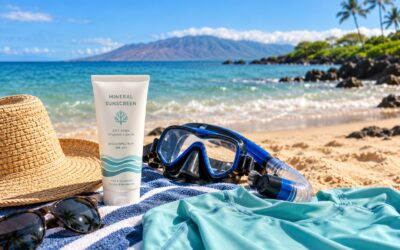
- Reef-safe sunscreen (required to protect marine life).
- A reusable water bottle.
Optional but helpful:
- Snorkel gear.
- A small daypack.
When you’re prepared, you don’t spend your first days adjusting—you step straight into enjoying the experience you came for.
Respect the Culture—It Deepens Everything
The Big Island isn’t just a destination—it’s a place with deep cultural roots.
And when you approach it with respect, your experience becomes more meaningful.
A few simple ways to do that:
- Understand that Aloha reflects kindness, patience, and respect.
- Never take lava rocks or sand (it’s illegal and culturally significant).
- Follow posted signs in protected or sacred areas.
- Respect wildlife—never touch turtles or coral reefs.
- Support local businesses when possible.
When you travel with awareness, you don’t just see the island—you connect with it.
Common First-Time Mistakes to Avoid
If you want your trip to feel smooth instead of stressful, avoid these:
- Trying to see the entire island in a few days → Leads to long drives and very little actual enjoyment.
- Booking accommodations far from your planned activities → Turns simple outings into exhausting travel days.
- Underestimating drive times → Distances may look short, but roads can be slow and scenic.
- Skipping a rental car → Limits where you can go and what you can experience.
- Overpacking your itinerary → Leaves no room for rest, spontaneity, or unexpected highlights.
The better approach: Do less—but experience it more fully.
Must-See Experiences (Without Overloading Your Trip)
It’s tempting to try to do everything—but that often leads to the exact opposite of what you want:
Feeling rushed, tired, and like you missed the moments that mattered most.
Instead, focus on a few unforgettable highlights:
- Hawaii Volcanoes National Park – dramatic, ever-changing landscapes
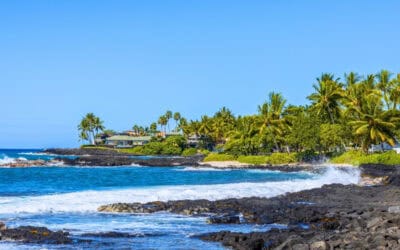
- Punaluʻu Black Sand Beach – striking shoreline and sea turtles
- Akaka Falls State Park – easy-access waterfall in a lush setting
- Snorkeling at Kealakekua Bay – clear water and vibrant marine life
- Sunset on the Kohala Coast – simple, peaceful, unforgettable
When you choose fewer, better experiences, your trip feels fuller—not busier.
Plan Your First Grocery Stop (It Makes Arrival Easier)
After a long flight, even small decisions can feel overwhelming.
That’s why planning a quick grocery stop helps more than you expect.
Reliable options include:
- Costco (Kailua-Kona)
- Safeway (Kona & Hilo)
- Walmart (Kona & Hilo)
- Local markets for fresh produce
Having food, drinks, and essentials ready right away helps you settle in faster—and start enjoying your trip immediately.
A Simple First-Time Itinerary (So You’re Not Overwhelmed)
If you’re not sure how to structure your days, here’s a simple approach:
Day 1: Arrival, grocery stop, nearby sunset
Day 2: Beach + snorkeling
Day 3: Hawaii Volcanoes National Park
Day 4: Waterfalls + Hilo side exploration
Day 5: Relaxation + local spots
Why this works: It gives you structure—without making your trip feel rushed or rigid.
Where You Stay Shapes Your Entire Experience
This is one of the most important decisions you’ll make.
And it’s often underestimated.
After a full day of exploring, the difference becomes clear:
Instead of returning to a single hotel room, imagine coming back to space—room to relax, cook, recharge, and actually enjoy your downtime.
Vacation rentals offer:
- More space to unwind
- A kitchen for easy meals and cost savings
- Laundry for longer stays
- A quieter, more personal environment
Find a place where you can truly settle in, slow down, and enjoy the island your way—browse available Big Island stays with AAOceanfront.
Start Your Big Island Trip Feeling Confident—Not Overwhelmed
The difference between a stressful trip and an unforgettable one often comes down to how you prepare.
When you simplify your plans, choose the right base, and give yourself space to enjoy the island, everything changes.
Instead of second-guessing your decisions… You feel confident. Relaxed. Present in every moment.
Imagine waking up on your second day already knowing where you’re going, what to expect, and having the freedom to enjoy it—without feeling rushed.
That’s the kind of trip this island is meant to give you.
And with the right approach, it absolutely will.