Have you ever pictured your perfect Maui moment—barefoot on warm sand, the ocean glittering in the sun—then suddenly thought… “What if something goes wrong?”
Not because you’re negative. Because you care. You want this trip to feel easy and joyful—not interrupted by stress, injuries, or a moment that changes the entire experience.
And the truth is: most Maui vacation mishaps don’t come from “bad luck.”
They come from small assumptions. The water looks calm. The trail looks simple. The road feels easy… until it isn’t.
But here’s the good news: Maui is not a dangerous place. It’s just a powerful one.
And staying safe doesn’t require fear or overplanning—it simply means building a few smart habits into your day.
The goal is simple: help you feel prepared—so your trip stays calm, light, and memorable.
Maui Safety Snapshot: 5 Things to Do Every Day
Before we dive into specifics, here’s a simple routine that makes everything easier:
- Check ocean conditions and beach warning signs.
- Choose lifeguarded beaches when possible.
- Wear real shoes for hikes (even “easy” ones).
- Build extra time into drives so you’re never rushing.
- Pack water + snacks before leaving your rental.
Why this matters: When safety becomes part of your routine, the whole trip feels easier—because you’re not reacting. You’re staying ahead.
Ocean Safety Tips (Because the Ocean Isn’t a Pool)
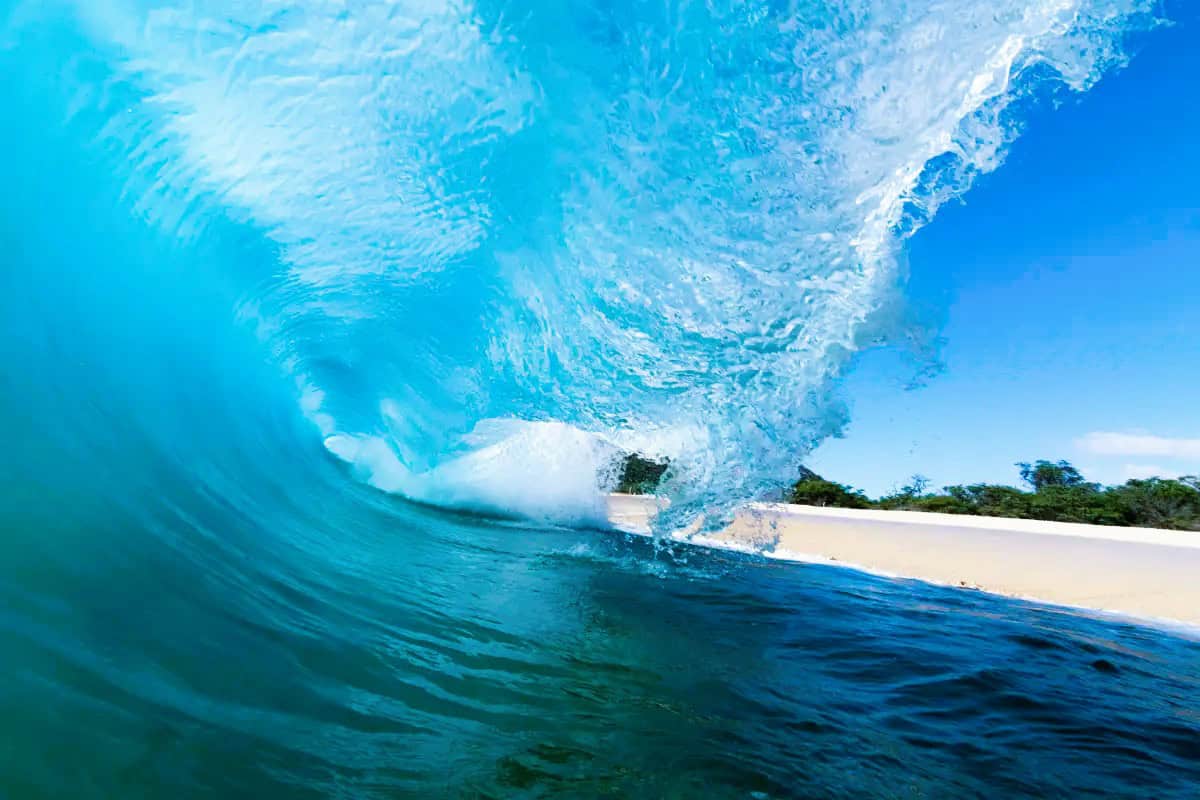
The ocean is breathtaking—but it’s also unpredictable. Currents can change quickly, shorebreak can be deceptively strong, and “calm-looking water” can still be dangerous.
The goal isn’t to be afraid of the ocean. It’s to enjoy it without fighting it.
Swim Where Lifeguards Are
If you plan to swim, choose a lifeguarded beach whenever possible. Lifeguards aren’t only there for emergencies—they’re constantly reading the water, watching conditions, and spotting risks before you do.
Benefit: You get peace of mind… and that means you can actually relax.
Ask Before You Get In (It Takes 30 Seconds)
This is one of the easiest, smartest habits you can build into your trip. A quick lifeguard check-in can tell you:
- where currents are strongest.
- where the safest swimming zone is.
- whether snorkeling is a good idea that day.
Benefit: That one quick question can protect the rest of your vacation.
Before your first swim, ask: “Where’s the safest place to get in today?”
Know the Rip Current Plan
Rip currents can happen at any beach—even on calm-looking days. If you’re caught:
- Stay calm.
- Don’t fight the current.
- Float if needed.
- Swim parallel to shore to escape.
- Signal for help if you can’t get out safely.
Benefit: Knowing the plan keeps panic from taking over.
Take Shorebreak Seriously
Shorebreak (waves breaking hard onto the sand) is one of the most common causes of injuries in Hawaii. Avoid diving into shallow water or body-surfing in heavy shorebreak.
Benefit: You avoid the kind of injury that can end your vacation early.
Snorkel Smart (Keep It Easy)
Snorkeling should feel calm, not exhausting. Choose a calm day, don’t snorkel alone, and use flotation if it helps you relax. Be careful entering and exiting near rocks or reefs.
Benefit: You spend more time enjoying the underwater view—and less time struggling or feeling overwhelmed.
Ocean Red Flags (If You See These, Skip Swimming)
- Posted warning signs.
- Waves are slamming hard onto the shore.
- Strong sideways pulling water.
- Locals are not swimming.
- Lifeguards are asking people to stay out.
Simple truth: If it feels uncertain, it’s always okay to sit this one out. Maui will still be beautiful tomorrow.
Hiking Safety Tips (Maui Trails Are Beautiful — and Not Always Forgiving)
Maui hikes are unforgettable—lush rainforest paths, bamboo forests, and waterfall trails that feel like stepping into another world.
But Maui’s terrain is different from what many visitors expect. Mud and slippery roots are common, and conditions can shift quickly after rain.
Stay on the Trail (Even If the Shortcut Looks Tempting)
If the trail is marked, stay on it. Dense vegetation can make it surprisingly easy to lose your bearings once you step off the path.
Benefit: Staying on-trail protects you—and keeps the hike enjoyable instead of stressful.
Wear Footwear With Real Traction
Even “easy” trails can have slippery sections. Shoes with grip help prevent slips, twisted ankles, and soreness you don’t want on day two of your trip.
Benefit: You’ll feel steady and confident instead of cautious and tense.
Know When to Turn Back
Turning back isn’t failing—it’s smart travel. If rain increases, the trail gets slick, or you start feeling tired or unstable, turn around.
Benefit: You protect the rest of your trip. Most hiking emergencies happen when people push past their limit.
Hiking Red Flags (Turn Back If…)
- You start slipping often
- The trail becomes muddy and steep.
- The weather changes quickly.
- You feel lightheaded or exhausted.
- You’re unsure where the path continues.
Pick hikes that match your comfort level. The best hike is the one you finish feeling proud—not drained.
Road Safety Tips (Maui Driving Looks Easy — Until It Isn’t)
Driving in Maui can feel dreamy at first: sunshine, ocean views, and scenic routes everywhere you turn.
But Maui also has narrow roads, sharp curves, and one-lane bridges—especially in certain areas and coastal drives.
The safest mindset is simple: slow down and stay present.
Drive Slower Than GPS Suggests
Many routes take longer than expected, and that’s normal. Driving slower gives you time to react and keeps the drive calm instead of stressful.
Benefit: You arrive relaxed—and your day stays enjoyable.
Use Pullouts for Photos
Maui’s views will tempt you, but stopping along narrow roads can quickly become dangerous. Only stop where it’s safe to park fully off the road.
Benefit: You get the moment without risking an accident.
Adjust Immediately When Weather Changes
Fog and rain can roll in quickly, especially on mountain roads. Slow down and increase distance.
Benefit: You stay in control even when conditions shift fast.
Avoid Driving Tired
Sun and full adventure days add up quickly. If you feel tired, take a break before driving.
Benefit: Better alertness = better decisions.
Treat fatigue like a safety signal. A 10-minute reset can protect your whole evening.
What to Pack for Safer Maui Adventures
You don’t need a ton of gear—just smart basics:
- Water bottle.
- Snacks.
- Fully charged phone.
- Portable battery pack.
- Light rain jacket.
- Hat or sunglasses.
- Basic first-aid essentials.
- Reef-safe sunscreen.
Benefit: Packing smart prevents small issues (dehydration, fatigue, sunburn) from becoming trip disruptions.
Where You Stay Shapes Your Whole Trip (More Than You Think)
Most Maui safety tips focus on beaches, hikes, and driving — and they should. But one of the biggest factors in how safe (and smooth) your trip feels is quieter: having a home base that helps you slow down.
When your rental makes it easy to rest, hydrate, eat well, and reset between adventures, you’re far less likely to make rushed decisions when you’re tired or conditions change.
The right place to stay doesn’t just support comfort — it supports better vacation days from start to finish.
A Safe Maui Vacation Is a Better Maui Vacation
Maui is the kind of place that makes you want to do everything—beach mornings, waterfall afternoons, scenic drives, sunset dinners. And you can enjoy it all when safety is built into your day.
The best Maui trips aren’t rushed. They’re steady. They leave space for checking conditions, resting when needed, and choosing the experience that feels right in the moment.
Because in Maui, the goal isn’t just to have an amazing trip. It’s to have an amazing trip you feel good about—from start to finish.
Ready to experience Maui with more comfort, flexibility, and peace of mind? Explore AA Oceanfront vacation rentals and find a home base that helps your trip feel relaxed, easy, and truly unforgettable.